The Role of the Internet of Things (IoT) in Creating Smart and Sustainable Cities
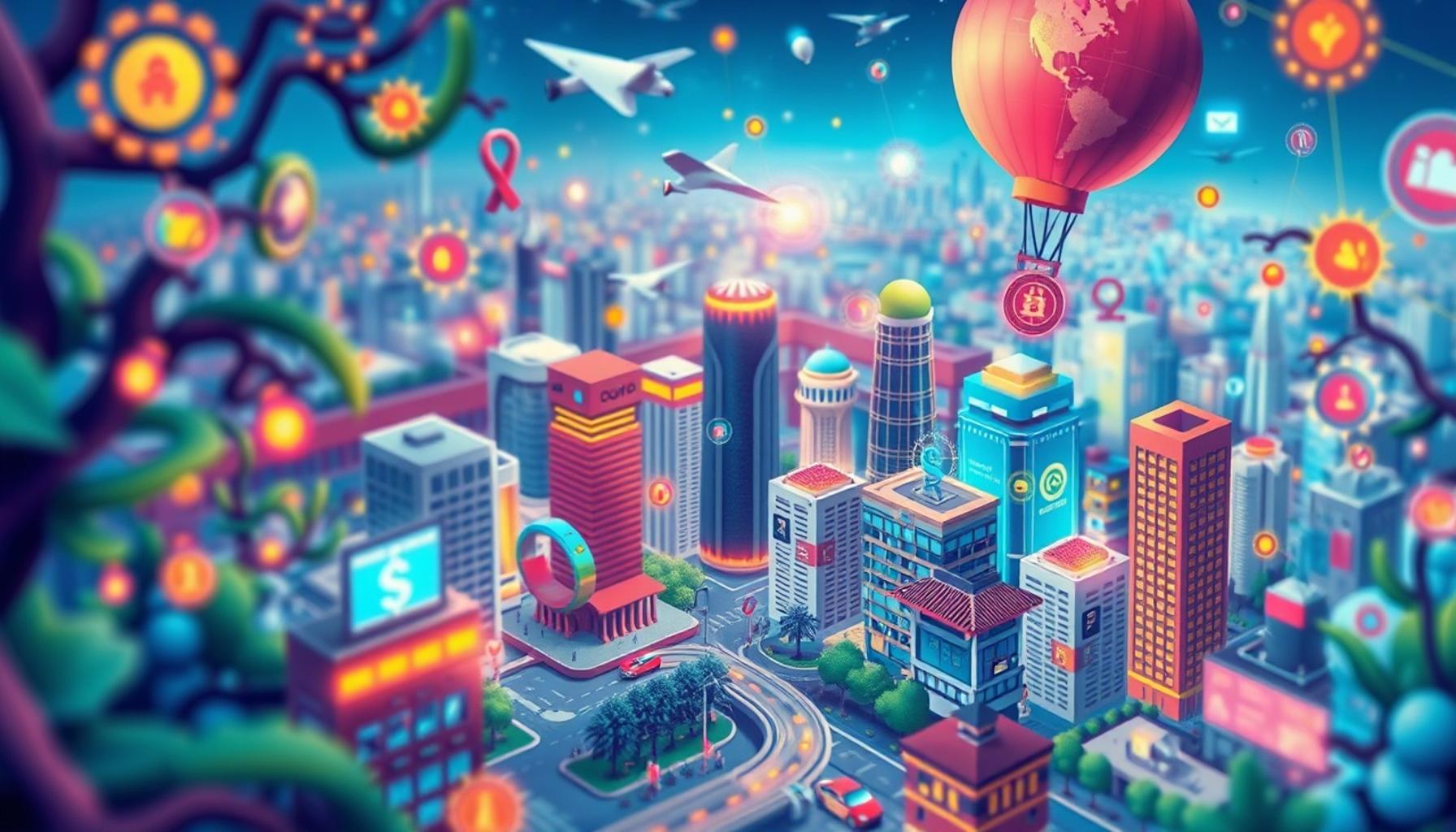
A Glimpse into the Future of Urban Living
The integration of advanced technology into urban environments is revolutionizing the way we live and interact within our cities. At the forefront of this transformation is the Internet of Things (IoT), which enables devices to communicate and share data seamlessly. This interconnectedness fosters the development of smart cities, characterized by their capacity to enhance quality of life while actively pursuing sustainability goals.
One of the most compelling features of smart cities is Smart Traffic Management. Imagine a city where traffic lights adjust in real-time based on congestion levels. Sensors embedded in the roads collect data on vehicle flow, enabling traffic signals to optimize waiting times, thereby reducing unnecessary idling. For instance, cities like Los Angeles have begun implementing adaptive traffic signal systems, which have shown a notable decrease in travel times during peak hours.
Another critical aspect of smart urban planning is Energy Efficiency. Smart grids, which utilize IoT technology, enable cities to monitor and control electricity usage more effectively. These grids can communicate with homes and businesses to optimize energy distribution based on demand, which not only lowers utility costs for residents but also dramatically reduces greenhouse gas emissions. A prime example is San Diego, where the deployment of smart meters is empowering consumers to understand their energy usage better, leading to significant reductions in consumption.
The impact of IoT extends to Waste Management as well. Traditional waste collection methods often result in unnecessary pickups, leading to wasted resources and increased pollution from garbage trucks. However, in cities like Chicago, IoT-enabled bins equipped with sensors notify municipal services only when they are full, thus optimizing collection routes and schedules. This efficiency not only saves money but also minimizes the carbon footprint associated with waste transport.
Fostering Sustainability and Safety
Beyond these applications, IoT technologies promote sustainability in other essential ways. For example, Reducing Resource Consumption involves using sensors to monitor water usage across cities. Tools like smart irrigation systems allow parks and gardens to receive only the water they need, preventing wastage. This technology not only conserves a vital resource but also helps maintain healthy green spaces that enhance urban ecosystems.
Public safety is another area significantly improved by IoT. Enhancing Public Safety through smart surveillance systems means deploying cameras and sensors that can detect unusual activity and alert law enforcement in real-time. For instance, cities such as New York are increasing their surveillance capabilities to address crime rates, using analytics and machine learning to identify potential threats swiftly.
Finally, Encouraging Green Spaces is crucial for urban health. Cities that effectively manage parks using IoT can improve access to recreational areas while ensuring these spaces are well-maintained and enjoy diverse flora and fauna. Smart management systems help track visitor activity to optimize park resources and promote inclusive community engagement.
In summary, the integration of IoT in urban planning marks a significant step forward in creating smarter, more sustainable cities. By enhancing transportation, energy efficiency, waste management, and public safety, IoT technologies promise to reshape urban living and foster healthier, more engaged communities. As we move forward, it is crucial to continue exploring these innovations to build a better future for our cities.
DISCOVER MORE: Click here to unlock your credit card rewards potential
Key Innovations Driving Smart City Development
As cities strive to enhance their livability and sustainability, the Internet of Things (IoT) offers a plethora of innovative solutions that are transforming urban spaces. The foundation of these advancements lies in the interconnectivity of various systems, which allows for real-time data collection and analysis. Through these capabilities, communities can implement better planning, conservation measures, and enhance everyday experiences for residents. Below are some key innovations driven by IoT technology that are shaping the future of urban living.
Improving Public Transportation
One of the most visible impacts of IoT in cities is seen in public transportation. IoT-enabled systems allow for the integration of real-time data, which informs both commuters and city planners. Consider the following enhancements:
- Real-Time Tracking: Buses and trains equipped with GPS technology can be tracked in real-time, allowing riders to plan their journeys efficiently. Cities like San Francisco have adopted apps that provide live updates on arrival times, reducing wait times and improving the overall commuter experience.
- Smart Ticketing: Contactless payment systems streamline the ticket purchasing process. Users can tap their smartphones to pay for rides, making transit more accessible and hassle-free.
- Adaptive Transit Solutions: Data analytics can help transit authorities understand peak travel times and adjust services accordingly. Cities such as Boston experiment with smaller, on-demand shuttle services that can effectively meet changing rider needs.
Promoting Efficient Energy Use
In addition to enhancing transportation, IoT plays a significant role in promoting energy efficiency throughout urban environments. Smart technologies are allowing cities to monitor energy consumption more closely, leading to significant cost savings and environmental benefits. Key methods include:
- Smart Lighting: Streetlights can be equipped with sensors that dim or brighten based on pedestrian and vehicular traffic. For example, cities like Barcelona have implemented smart lighting systems that save energy while also addressing safety concerns.
- Building Management Systems: IoT-enabled sensors in commercial and residential buildings allow for automated heating, cooling, and lighting controls, optimizing energy use according to occupancy and outside temperature.
- Renewable Energy Integration: Cities can better integrate renewable sources, such as solar panels, into the grid through IoT monitoring systems that manage distribution and consumption effectively.
The ability to gather and analyze data from various sources significantly enhances the decision-making process, enabling cities to adopt smarter practices that can lead to widespread environmental benefits. As urban areas continue to grow, the role of IoT will become increasingly vital in managing resources efficiently and sustainably.
In summary, the potential for IoT to create smarter, more efficient urban environments is immense. By optimizing transportation and energy usage, cities can substantially improve the quality of life for their residents while moving towards a sustainable future. Embracing these technologies not only enhances urban operations but also connects communities, fostering an engaged and informed public.
DISCOVER MORE: Click here to learn how to apply
Enhancing Urban Services Through IoT Integration
As cities continue to adopt the Internet of Things (IoT), they are discovering new ways to enhance urban services, ultimately leading to improved quality of life and sustainability. By leveraging interconnected devices and smart technologies, cities can optimize various essential services, from waste management to public safety. Below, we explore how IoT is driving innovation in these crucial areas.
Smart Waste Management
One of the most promising applications of IoT is in waste management. Smart waste systems use sensors and data analytics to monitor waste levels in real time, improving efficiency and reducing operational costs. Consider the following advancements:
- Smart Bins: Waste bins equipped with sensors can notify collection services when they are full, ensuring timely pickups. Cities like Chicago have implemented these systems, resulting in decreased overflow and improved cleanliness.
- Route Optimization: By analyzing data on bin fill levels, waste management companies can optimize collection routes, reducing fuel consumption and carbon emissions. This efficiency not only leads to cost savings but also enhances environmental sustainability.
- Recycling Initiatives: IoT technology can also support increases in recycling rates by tracking waste streams and providing data-driven insights on community recycling habits. This helps to tailor educational programs and incentives for residents.
Enhancing Public Safety
IoT also plays a vital role in improving public safety through innovative applications that enable faster response times and more effective crime prevention. Some noteworthy technologies include:
- Smart Surveillance: Cities can deploy IoT-enabled surveillance cameras equipped with facial recognition and motion detection capabilities. These systems can help law enforcement monitor activities in real time, enabling quicker responses to criminal activities. A prime example is the use of smart cameras in New York City, which has contributed to a decline in crime rates.
- Emergency Response Systems: IoT solutions can enhance emergency services by providing real-time data to first responders. For instance, smart fire alarms can alert firefighters about smoke and fire intensity, allowing them to assess situations before they arrive on the scene.
- Gunshot Detection Systems: Some cities are implementing acoustic sensors that can detect gunshots and pinpoint their locations. These systems not only save valuable time for emergency responders but also help police departments allocate resources effectively.
Water Management
Water scarcity is becoming an increasingly pressing concern in urban areas. IoT technologies provide cities with robust tools to manage water resources effectively. Key applications include:
- Smart Water Meters: These meters monitor water usage in real time, allowing cities to detect leaks and inefficiencies promptly. For instance, Los Angeles has begun replacing traditional meters with smart meters that provide data insights to both the city and its residents.
- Water Quality Monitoring: IoT sensors can measure water quality in real time, ensuring that residents have access to safe drinking water. This monitoring can help cities respond quickly to contamination events or natural disasters.
- Irrigation Systems: Smart irrigation uses data from weather forecasts and soil moisture sensors to optimize water use in public parks and landscapes, conserving resources while maintaining green spaces. Cities like San Diego are adopting these systems to reduce water waste.
The integration of IoT in urban services not only boosts operational efficiency but also fosters a sense of community by enhancing residents’ experiences. As cities embrace these smart solutions, they pave the way for sustainable urban development, addressing the challenges posed by growing populations and climate change. With continuous advancements in technology, the potential for IoT to revolutionize urban services is boundless, demonstrating the power of innovation in creating smarter, more sustainable cities.
EXPLORE MORE: Click here to discover innovative budgeting tools
Conclusion
In summary, the Internet of Things (IoT) serves as a transformative force in shaping smart and sustainable cities. By enabling the integration of advanced technology into urban infrastructure, IoT effectively addresses critical challenges such as waste management, public safety, and water conservation. As cities deploy smart solutions, they create systems that not only improve operational efficiencies but also foster community engagement and environmental responsibility.
The examples we’ve explored, from smart waste systems to water quality monitoring, illustrate the potential of IoT to revolutionize urban services. Such innovations pave the way for greater resource optimization and a reduction in carbon footprints, aligning city planning with sustainable development goals. As local governments and municipalities harness the power of data and connectivity, the concept of a smart city transitions from vision to reality.
Looking ahead, it is essential for cities to continue investing in IoT technologies while addressing concerns such as data privacy and cybersecurity. By fostering public-private partnerships and engaging residents in the process, cities can build trust and ensure the adoption of IoT solutions that enhance quality of life for all. The potential for IoT to drive positive change is immense, and as we journey toward the future, these smart urban solutions will play an indispensable role in crafting cities that are not only livable but also sustainable for generations to come.

Linda Carter
Linda Carter is a writer and expert known for producing clear, engaging, and easy-to-understand content. With solid experience guiding people in achieving their goals, she shares valuable insights and practical guidance. Her mission is to support readers in making informed choices and achieving significant progress.