
The Impact of Fake News on Social Media: Challenges and Solutions
The Growing Concern of Fake News
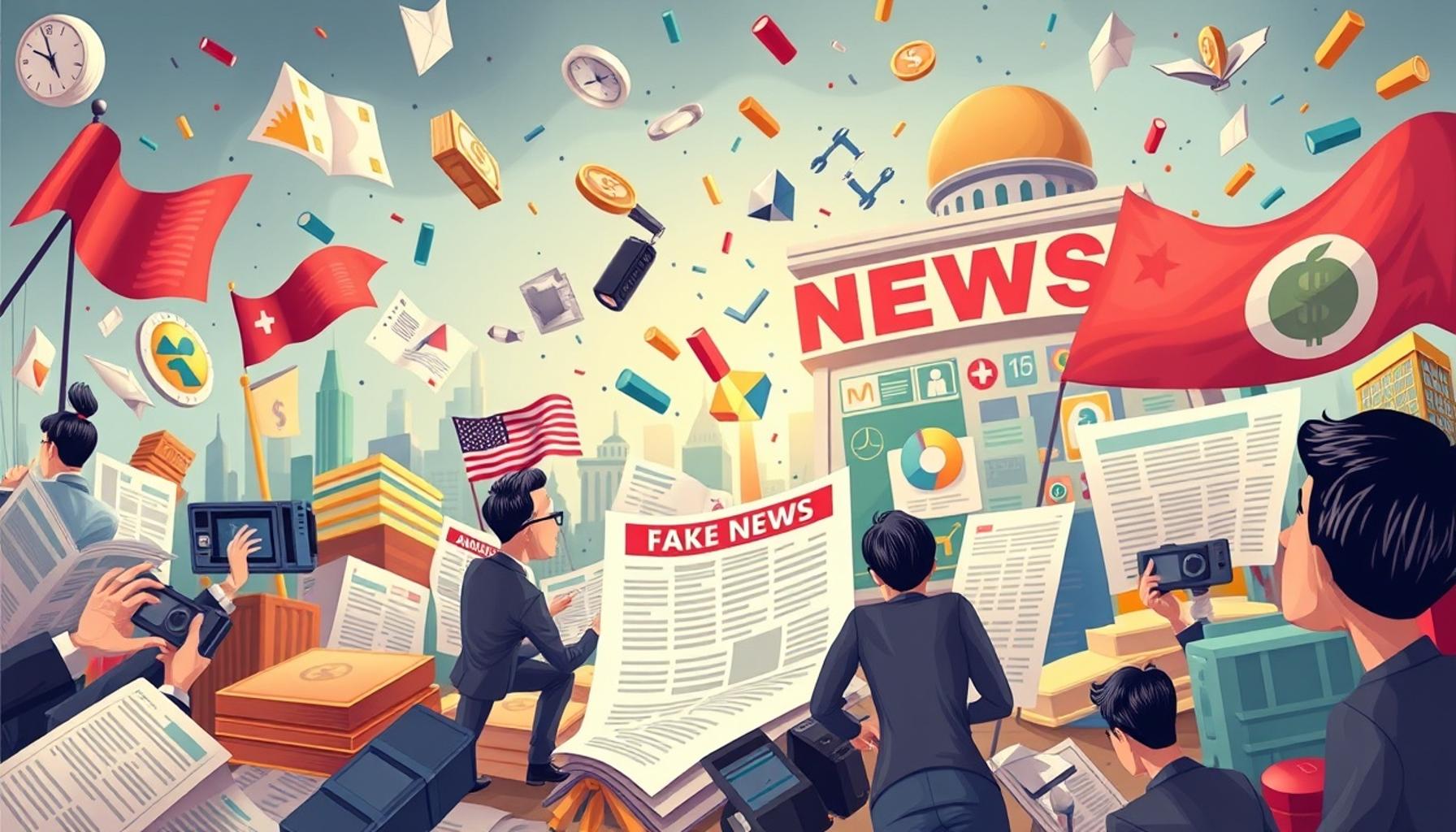
In today’s digital age, social media platforms serve as a primary source of information for millions of individuals. However, the rise of fake news presents significant challenges that can skew public perception and influence behavior. The casual sharing of misleading or fabricated content on these platforms poses risks not only to individual beliefs but also to the very fabric of society.
Understanding the impact of fake news necessitates recognizing its widespread effects. For instance, misinformation dissemination is alarming; studies have shown that false information spreads rapidly, often outpacing corrections by a significant margin. A classic example is the viral nature of conspiracy theories related to healthcare, such as false claims about vaccines, which can result in public health crises. These myths can spread like wildfire, reaching a vast audience before accurate information has a chance to catch up.
Another concerning effect is the erosion of trust. As fake news becomes increasingly prevalent, the public’s trust in reputable sources, like major news organizations, continues to dwindle. Surveys indicate that many people often have difficulty distinguishing between legitimate news and misinformation, leading to skepticism towards even well-established media outlets. This skepticism fuels a cycle where people gravitate towards sources that align with their preexisting biases, further complicating the landscape of information.
Moreover, fake news contributes to polarization in society. As individuals consume tailored information that reinforces their views, it can deepen divisions and lead to increased conflict. For example, during political elections, misinformation campaigns targeting specific demographics can exacerbate tensions among party lines, making constructive dialogue nearly impossible.
Addressing these multifaceted challenges requires a comprehensive approach. One promising solution involves media literacy, which emphasizes the importance of educating users on how to critically evaluate sources and content. This can include school programs that teach students to discern credible information from dubious claims, equipping them with necessary skills for navigating an increasingly complex information landscape.
Furthermore, fact-checking initiatives are crucial in this fight against misinformation. By encouraging platforms to implement robust fact-checking protocols, we can help ensure that false claims are quickly identified and corrected. This transparency can serve to restore trust among users as they see efforts made to uphold the integrity of information shared online.
Lastly, regulatory measures may also play a role. Considering policies that hold social media platforms accountable for the spread of misinformation could incentivize them to prioritize factual content over sensationalism. Such regulations might require platforms to transparently report on the steps they take to combat fake news.
By tackling the challenges posed by fake news head-on, we can create a more informed society where facts prevail over fiction. In this article, we will explore these challenges in depth and present actionable solutions designed to combat the impact of fake news on social media.
DISCOVER MORE: Click here to learn how to apply for the FirstCard
Understanding the Dynamics of Fake News
The influence of fake news on social media is not merely a modern phenomenon; it is deeply intertwined with the evolution of technology and human behavior. To comprehend its impact, it is essential to understand how fake news operates and flourishes within social media environments. Fake news thrives on the speed and reach of social platforms, where users can share content instantly and widely, often without verifying its authenticity.
One of the primary challenges posed by fake news is its ability to manipulate emotions. Research indicates that sensational headlines and emotionally charged content are more likely to be shared among users. For instance, a shocking claim about a public figure’s misconduct might elicit immediate reactions, prompting users to share it without confirming its validity. This emotional engagement can quickly propel misinformation to viral status, overshadowing accurate reporting that lacks the same appeal.
Moreover, the anonymity of users on social media platforms can exacerbate the spread of fake news. When individuals believe they can operate without accountability, they may be more prone to sharing dubious information. This phenomenon not only amplifies the reach of misinformation but also makes it challenging to trace the origins of such claims, further complicating efforts to combat them. Understanding the psychology and motivations behind sharing fake news is crucial in addressing its spread.
Additionally, the strategies employed by those who create and disseminate fake news must be acknowledged. Many times, these individuals or groups aim to advance a specific agenda, whether political or social. By producing content that resonates with particular demographics, they exploit existing biases and divisions. For example, during the recent United States elections, numerous false narratives about candidate policies and personal lives circulated extensively on various platforms, aiming to sway public opinion and influence voter behavior.
To combat the impact of fake news, it is vital to engage in a multi-pronged approach that includes:
- Promoting Media Literacy: Teaching users, from students to adults, how to identify credible sources and question sensational content should be a priority. Workshops and seminars can help enhance these skills.
- Enhancing Verification Tools: Social media companies must implement more robust verification processes. Improving technology that flags potentially false information can empower users to think critically about what they read online.
- Encouraging Responsible Sharing: Users should be reminded to take a moment to verify information before sharing. Social campaigns emphasizing this message can encourage more thoughtful engagement with content.
This complex tapestry of challenges necessitates a collective effort. By working together—educators, tech companies, and users alike—we can begin to untangle the detrimental effects of fake news on social media. Understanding the dynamics of this issue is the first step toward implementing effective solutions and fostering an environment where informed citizens can thrive in the digital age.
DISCOVER MORE: Click here for a step-by-step guide
The Role of Social Media Platforms in the Spread of Fake News
The role of social media platforms in the spread of fake news cannot be overstated. These platforms serve as both the ecosystem in which misinformation proliferates and the gatekeepers who can choose to curb its reach. One significant factor contributing to the dissemination of false information is the algorithmic bias that many social media companies employ. Algorithms are designed to prioritize content that generates engagement, such as likes, shares, and comments. Unfortunately, this often includes sensationalist or polarizing material, giving fake news a level of exposure that more factual information might not receive.
For instance, Facebook’s News Feed is structured to show users content that resonates with their interests and behaviors, which can inadvertently spotlight fake news articles that align with a user’s existing beliefs. As users engage with these misleading stories, the algorithm continues to promote similar content, perpetuating a cycle of misinformation. This self-reinforcing loop can create echo chambers, where individuals are predominantly exposed to views that mirror their own, increasing their susceptibility to accept false narratives as truth.
Another challenge is the lack of immediate and transparent fact-checking mechanisms. While many social media platforms have begun integrating fact-checking services, the implementation is often inconsistent. The speed at which news spreads on social media can outpace the capacity for verification. When misleading information circulates rapidly, by the time a fact-check is published, the false narrative may have already taken root in public consciousness. Users may retain the misinformation long after it is debunked, illustrating a phenomenon known as the backfire effect.
The implications of these dynamics are particularly pronounced during significant events, such as elections or public health crises. For example, during the COVID-19 pandemic, numerous false claims about the virus’s origin and treatment possibilities spread swiftly on social media platforms. Users sharing such misinformation not only jeopardized their health but also undermined public efforts to manage the crisis. The immediate impact of this behavior can be far-reaching, affecting societal trust in scientific institutions and health authorities.
To address these challenges, social media companies must adopt a stronger stance against the spread of fake news through the following initiatives:
- Improved Accountability: Platforms should take greater responsibility for the content that circulates on their sites. This means implementing more rigorous policies to crack down on the creation and dissemination of fake news, including suspending accounts that repeatedly share false information.
- Collaboration with Fact-Checkers: Strengthening partnerships with independent fact-checking organizations can help ensure that misleading content is promptly flagged. This collaboration can also educate users about the validity of the information they are consuming.
- Transparency in Algorithmic Processes: By making algorithmic decision-making more transparent, users can better understand why they see certain content in their feeds. This could help create a more informed user base that approaches information critically.
Though these suggestions may pose challenges to implement, they represent critical steps that social media platforms can take to mitigate the effects of fake news. The intersection of technology and individual behavior creates a delicate balance that, if managed effectively, can promote informed discussions and a healthier information environment. Understanding the responsibilities of social media platforms can lead to constructive pathways for improving the accuracy and reliability of the news shared across these networks.
DIVE DEEPER: Click here to learn how to make sustainable investment decisions
Conclusion
In conclusion, the impact of fake news on social media remains a critical challenge that affects our society at many levels. The rapid spread of misinformation has demonstrated how detrimental false narratives can be, especially during pivotal moments like elections or health crises. As we have explored, the algorithmic biases of social media platforms often prioritize sensational content, contributing to the troubling cycle of fake news proliferation. Additionally, the limitations of current fact-checking mechanisms further exacerbate this issue, leaving users vulnerable to accepting misleading information as truth.
However, while the challenges are significant, the pathways to solutions are becoming clearer. By implementing stringent accountability measures, strengthening collaborations with independent fact-checkers, and enhancing transparency in their algorithms, social media platforms can take meaningful steps toward reclaiming the integrity of information shared online. Furthermore, fostering a culture of critical thinking among users is essential. Educating individuals on how to discern credible sources from unreliable ones can empower them to navigate the digital landscape more effectively.
Ultimately, addressing the fake news epidemic requires a collective effort—not just from social media companies but also from users, educators, and policymakers alike. By recognizing our shared responsibility to promote accurate information and challenge false narratives, we can work together to create a more informed society where truth prevails over misinformation.

Linda Carter
Linda Carter is a writer and expert known for producing clear, engaging, and easy-to-understand content. With solid experience guiding people in achieving their goals, she shares valuable insights and practical guidance. Her mission is to support readers in making informed choices and achieving significant progress.