Credit Cards for Beginners: Everything You Need to Know Before Applying
Understanding Credit Cards
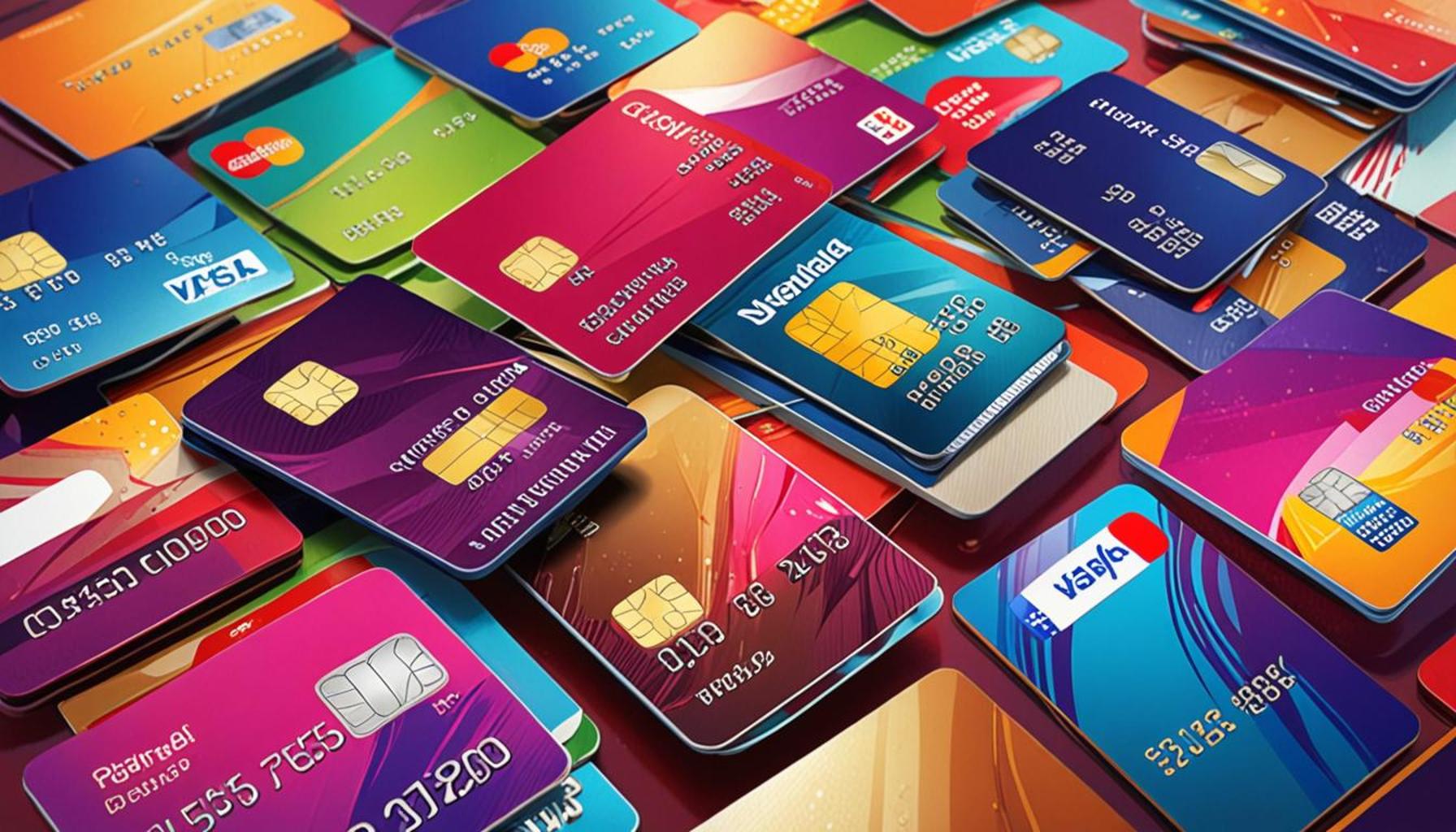
Credit cards are an integral part of modern financial management, offering a multitude of advantages that can significantly enhance your purchasing power. For those new to the concept of credit, the transition can feel overwhelming. However, with a solid foundation of knowledge, you can navigate this financial landscape with confidence and assurance.
Key Benefits of Credit Cards
First and foremost, credit cards are instrumental in building a solid credit history. Establishing a good credit score is crucial for accessing major loans, including mortgages for your future home. Credit history reflects your borrowing habits and reliability to creditors, influencing the terms and interests of future loans.
Moreover, many credit cards come equipped with rewards programs that provide excellent incentives for making purchases. For instance, some credit cards offer cash back on everyday spending, while others accrue travel points that can be redeemed for flights and hotel stays. Such rewards can transform your regular spending into valuable benefits, allowing for unexpected vacations or significant savings over time.
Another essential aspect of credit cards is their role as a financial safety net. Emergencies can strike at any time—whether it’s an unexpected car repair or a medical expense—and having a credit card can provide immediate access to funds when you need them the most. However, using this safety net responsibly is paramount to avoid accruing unmanageable debt.
Navigating the Complexities
While the benefits are appealing, it’s important to be aware of the complexities associated with credit cards. Interest rates, denoted as Annual Percentage Rates (APRs), can vary widely. Understanding your card’s APR is crucial, as carrying a balance can quickly lead to significant charges that outweigh any rewards earned.
Additionally, many credit cards charge various fees that can chip away at your finances—these can include annual fees for premium cards, late payment penalties, and foreign transaction fees for international travel. Being informed about these costs can save you from unpleasant surprises on your monthly statement.
Finally, it’s essential to comprehend your credit limit. This limit dictates how much you can charge to your card and directly affects your credit utilization ratio—a key factor in determining your credit score. Keeping your balance well below this limit is advisable to maintain a healthy credit score.
Empowering Your Financial Journey
By understanding these core elements, you can choose the right credit card that aligns with your financial goals and habits. This guide aims to equip you with the essential knowledge needed to make informed decisions, ensuring you reap the benefits of credit while minimizing risks. Are you ready to explore the full potential of credit cards and boost your financial literacy? Start your journey today by diving into the details of your financial options and crafting a plan that works for you.
DIVE DEEPER: Click here to discover the community benefits of pet adoption
Choosing the Right Credit Card
With the plethora of credit cards available on the market, selecting the right one can feel like finding a needle in a haystack. Each credit card comes with its unique features and rewards tailored to different lifestyles and spending habits. Understanding what to look for can make this decision less daunting and more empowering.
Types of Credit Cards
Before applying for a credit card, it’s essential to familiarize yourself with the various types available. Here are some common categories:
- Standard Credit Cards: These are basic cards with few frills, primarily intended for everyday purchases.
- Rewards Credit Cards: Ideal for those who want to earn points, miles, or cash back on their spending. They are typically best suited for regular spenders.
- Low-Interest Credit Cards: If you anticipate carrying a balance, consider cards with lower interest rates to minimize financing costs.
- Secured Credit Cards: These require a cash deposit that serves as your credit limit. They are excellent for beginners looking to build or rebuild their credit histories.
- Student Credit Cards: Designed for college students, these cards often come with lower limits and no annual fees, making them a good starting point for young adults.
Each type of credit card has its pros and cons, making it essential to evaluate your spending habits and financial goals before making a decision. For example, if you travel frequently, a rewards card that offers travel points might suit you well. Alternatively, if you prefer to minimize fees, a low-interest card could be more appropriate.
Understanding Credit Card Terms
Once you have identified the type of card that fits your needs, it’s vital to grasp some key terms that will influence your experience:
- Annual Percentage Rate (APR): This is the interest rate for borrowing on the card. Lower APRs are preferable, especially if you plan to carry a balance.
- Minimum Payment: The lowest amount you must pay each month to keep your account in good standing. However, only paying the minimum can lead to high-interest charges over time.
- Credit Limit: The maximum amount you can charge to your card. It’s important to stay well within this limit to maintain a healthy credit utilization ratio, ideally under 30%.
- Promotional Offers: Many cards feature introductory 0% APR periods and bonuses for signing up. Always read the fine print to understand terms and potential fees after the promotional period ends.
Becoming familiar with these terms will not only help you choose the right card but will also allow you to manage it effectively once you’ve made your selection.
Evaluating Your Spending Habits
Before selecting a card, take a moment to evaluate your personal spending habits. Consider tracking your expenses for a month to gain insights into where your money goes. This analysis will guide you in finding a card that maximizes rewards relative to your typical expenditures. For instance, if you spend a lot on groceries and dining out, a card that offers cash back in these categories would be most beneficial.
Additionally, thinking about how often you use credit versus debit can shape your choice. If you frequently rely on credit for emergencies or larger purchases, a standard credit card or one with a good rewards program could enhance your financial strategy.
DISCOVER MORE: Click here to dive deeper
Tips for Managing Your Credit Card Wisely
Obtaining a credit card is just the first step in a longer journey of financial responsibility. Understanding how to manage your credit card effectively can save you money, enhance your credit score, and equip you with valuable financial skills that will serve you well over time.
Pay Your Balance in Full
One of the most critical habits to develop is to pay your balance in full each month. While it can be tempting to make just the minimum payment, doing so can result in considerable amounts of interest accrued on your remaining balance. According to a 2021 report by the Consumer Financial Protection Bureau, the average American credit card user carries a balance of over $5,000, leading to substantial interest payments over time. By paying off your balance entirely, you can avoid accruing interest and effectively use your credit card as a tool for building credit without incurring debt.
Set Up Alerts and Reminders
Another practical tip is to set up alerts and reminders for your payment due dates. Most credit card issuers offer mobile apps or online account management tools that allow you to schedule notifications. This can help prevent late payments, which can incur fees and negatively impact your credit score. Additionally, if you find it challenging to remember payment dates, consider setting up automatic payments for at least the minimum amount due. Just be sure to also monitor your account to avoid overdrafts.
Use Your Card Regularly
To build credit, it’s essential to actively use your credit card. Utilize it for regular purchases such as groceries, gas, or small monthly subscriptions. However, it’s crucial to stay within your budget and avoid overspending just to rack up rewards. Maintaining a consistent usage pattern can help lenders see you as a responsible borrower. Experts recommend using only 30% or less of your available credit limit to keep your credit utilization ratio healthy, which plays a significant role in determining your credit score.
Monitor Your Credit Score
Keeping an eye on your credit score is fundamental to your financial health. Many credit card companies provide free credit score updates as a part of their services. Regularly monitoring your score allows you to identify any discrepancies or unexpected changes early on. A good credit score, generally considered to be 700 or above, can enhance your eligibility for better credit products in the future, such as lower interest rates or higher credit limits.
Utilize Rewards Wisely
If you’ve opted for a rewards credit card, understanding how to maximize the benefits can be a game changer. Research the rewards program specifics and determine how to earn points effectively. Some cards offer higher rewards percentages on certain spending categories—like dining or travel—while others may promote sign-up bonuses for achieving a particular spending threshold within the first few months. Make sure to redeem your rewards strategically to ensure you’re getting the best value, whether it’s for travel, merchandise, or cash back.
Avoid Unnecessary Fees
Finally, familiarize yourself with your card’s fee structure to avoid unnecessary charges. Pay particular attention to annual fees, foreign transaction fees if you travel abroad, and over-limit fees for exceeding your credit limit. Some credit cards offer no annual fee, making them an attractive option for beginners. By carefully selecting a card that minimizes fees, you can maximize your financial benefit and clarify the cost of borrowing.
Incorporating these habits into your financial routine can aid you in leveraging your credit card not just as a means to make purchases but as a powerful tool for building a strong financial future. Remember, the more informed you are, the better choices you can make. Hence, consider diving deeper into resources available, either through financial literacy courses or online platforms, to increase your financial savvy.
LEARN MORE: Click here to find out how diet impacts your pet’s behavior
Final Thoughts on Credit Cards for Beginners
As you embark on your journey into the world of credit cards, it’s essential to remember that knowledge is your best ally. By understanding the nuances of credit card policies, fees, and rewards, you’re not just applying for a piece of plastic; you’re investing in your financial future. Each tip discussed in this article contributes to creating a well-rounded approach to managing credit cards successfully. The objective is not merely to borrow funds but to do so in a way that enhances your financial health.
Start by fostering good habits such as paying your balance in full, monitoring your credit score, and using your card wisely without overspending. With a steady hand on your finances, utilizing your credit card can lead to building a robust credit history, which is critical for securing loans and favorable interest rates in the future. According to a report from Experian, individuals with a strong credit history have access to credit cards with better rewards and lower fees, presenting another layer of motivation to manage your card responsibly.
Don’t underestimate the value of financial education. Free resources such as online courses, personal finance blogs, and credit counseling can provide insights that enhance your financial literacy. In the end, your credit card should serve as a tool for financial empowerment rather than a source of stress. So take the plunge, stay informed, and unlock the potential of your credit card responsibly to pave your path toward financial success.